

Why Food Access Is About More Than Groceries
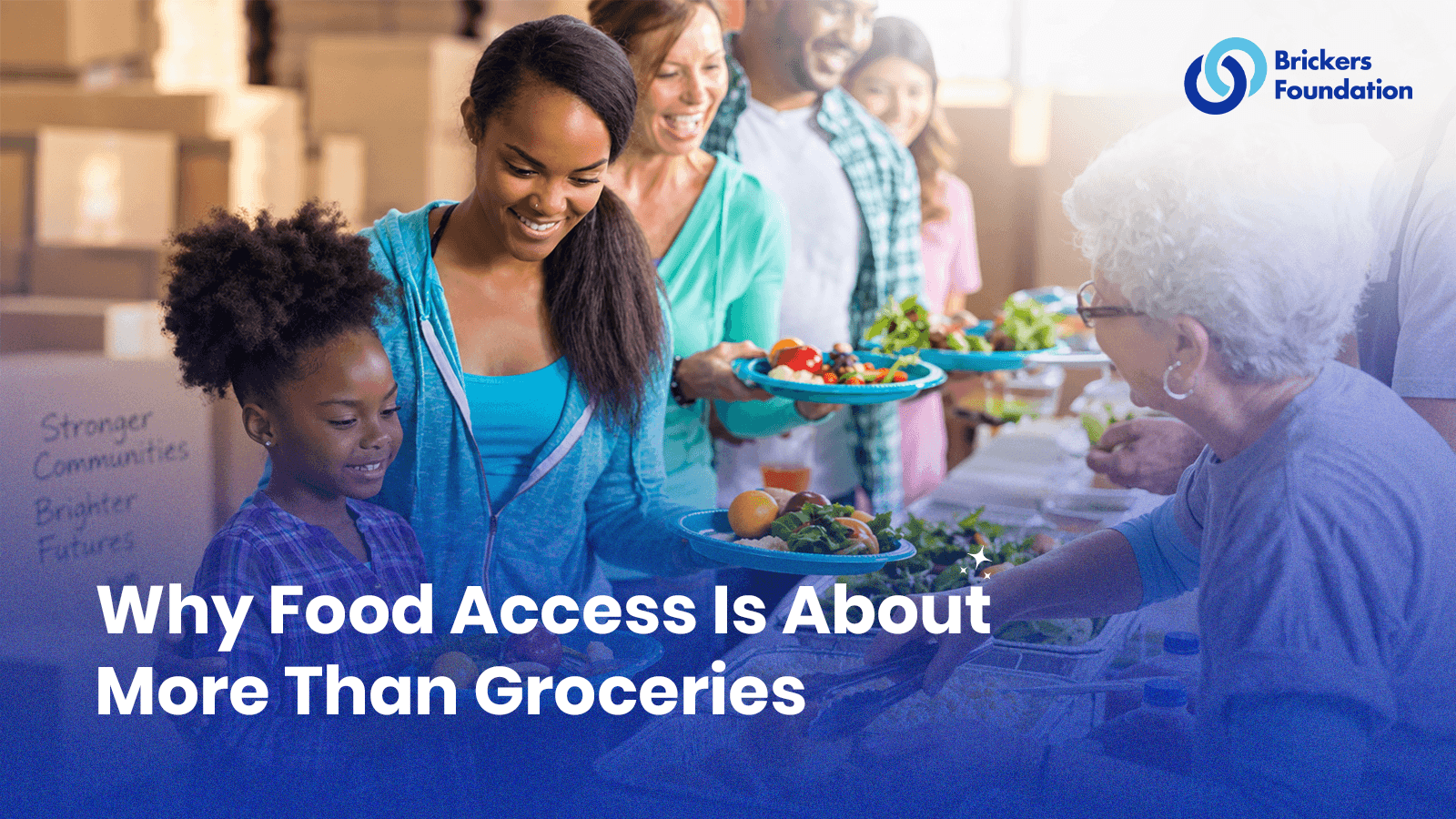
Having food available in a community does not always mean everyone can turn that food into a meal.
Groceries still need to be purchased or picked up, transported home, stored safely, and prepared. For someone with reliable transportation, a working kitchen, enough time to cook, and room in their budget, those steps may feel routine.
For someone dealing with housing instability, limited cooking facilities, a disability, an unpredictable work schedule, transportation problems, or financial strain, those same steps can be much harder.
Food access includes what happens after someone gets the groceries too.
Having Groceries and Having a Meal Are Different
Food pantries play an important role in communities by helping people bring groceries home.
Those groceries still require somewhere to go.
Fresh and frozen foods need refrigeration. Many ingredients need a stove, oven, microwave, or other way to prepare them. People also need cookware, utensils, storage space, and enough time to turn those ingredients into meals.
That setup is not available to everyone.
Someone staying in temporary housing may have limited kitchen access. A person living in a motel may only have a small refrigerator and microwave. Someone moving between homes may have nowhere to safely store several days of food.
The U.S. Department of Agriculture’s Food and Nutrition Service recognizes both sides of emergency food support. Through The Emergency Food Assistance Program, food can be distributed for people to take home or used by local organizations to prepare and serve meals.
Both approaches exist because communities have different needs.
Transportation Changes What Food is Actually Accessible
Distance matters too.
A grocery store, pantry, or food distribution site may technically be available in someone’s community while still being difficult to reach.
Someone without a vehicle may have to rely on public transportation, rides from friends or family, walking, or delivery services. Carrying several bags of groceries on a bus or over a long distance can create another challenge.
Transportation also affects how often someone can shop and what they can reasonably bring home.
A person who only has a ride to the store twice a month may have to make different choices than someone who can stop for groceries whenever they need them. Someone walking home may choose food partly based on what they can carry.
The food may exist nearby. Getting it home can still be part of the problem.
Preparing Food Takes Time and Ability
Cooking takes time.
For someone working long hours, balancing multiple jobs, caring for children or other family members, or managing an unpredictable schedule, preparing meals every day may be difficult.
Physical ability can affect food preparation too.
Opening containers, standing at a stove, lifting cookware, chopping ingredients, and cleaning up afterward can be difficult for some older adults and people with disabilities or health conditions.
The USDA Economic Research Service tracks food insecurity across several household characteristics, including disability status, because people experience food access differently depending on their circumstances.
That is one reason prepared meals can serve a different purpose from groceries. A ready-to-eat meal removes several of the steps between receiving food and being able to eat it.
Cost Goes Beyond the Grocery Bill
The cost of food is only one expense involved in preparing meals.
Cooking can require electricity or gas. Families may need cookware, storage containers, basic kitchen supplies, and transportation to get groceries home.
There is also the question of what someone can afford to purchase consistently.
According to the USDA Economic Research Service, 13.7 percent of U.S. households experienced food insecurity at some point during 2024. That means 18.3 million households were uncertain of having or unable to obtain enough food because they did not have enough money or other resources.
For 5.4 percent of households, the situation reached very low food security, where eating patterns were disrupted and food intake was reduced at times during the year.
Food insecurity can be temporary, recurring, or connected to other changes in someone’s life.
A reduction in work hours, an unexpected bill, a move, an illness, or another expense can change what a household has available for food.
Food Access Affects Health and Daily Life
Reliable access to nutritious food is part of overall health.
When food access becomes inconsistent, people may have fewer options for what and when they eat. That can be especially difficult for someone managing a health condition that is affected by diet.
The Centers for Disease Control and Prevention explains that food insecurity can make diabetes harder to manage and has been linked to higher A1C levels, diabetes-related complications, hospitalizations, and poorer mental health among people with diabetes.
More recent CDC research has also found associations between lower food security and several chronic health conditions.
Food access can affect the rest of someone’s day too.
It is harder to build consistent routines around work, school, appointments, childcare, and other responsibilities when meals themselves are inconsistent.
For families, reliable food access can help make everyday life more predictable.
Communities Need More Than One Kind of Food Support
There is no single food assistance program that will work for every person in every situation.
Some households benefit most from groceries they can take home and prepare themselves.
Others may need a prepared meal they can eat that day.
Someone may need both at different points in the same month.
Programs can also serve different needs through mobile food distributions, school meal programs, community meals, home delivered meals, food pantries, nutrition assistance programs, and other local resources.
Feeding America directs people to both food pantries and meal programs through its national food bank network, reflecting the different ways communities provide food assistance.
Having several options gives people more flexibility to use the type of support that fits their circumstances.
Food Access is Part of Community Stability
Food access connects directly to Health and Wellness because people need consistent access to food that supports their health.
It also connects to Social Justice because the ability to prepare a meal can depend on resources that are not distributed equally, including stable housing, transportation, income, accessible kitchens, and time.
A strong community food system has room for different needs.
Groceries are valuable. Prepared meals are valuable. Nutrition assistance, school meals, mobile programs, and other resources all have roles to play.
The goal is to make sure people can realistically access food in a form they can use.
Across the country, community organizations are helping fill that need by serving prepared meals alongside other food resources and creating more ways for people to access consistent, nutritious food.